25 Aug 2026
course - Investigative Questioning Techniques
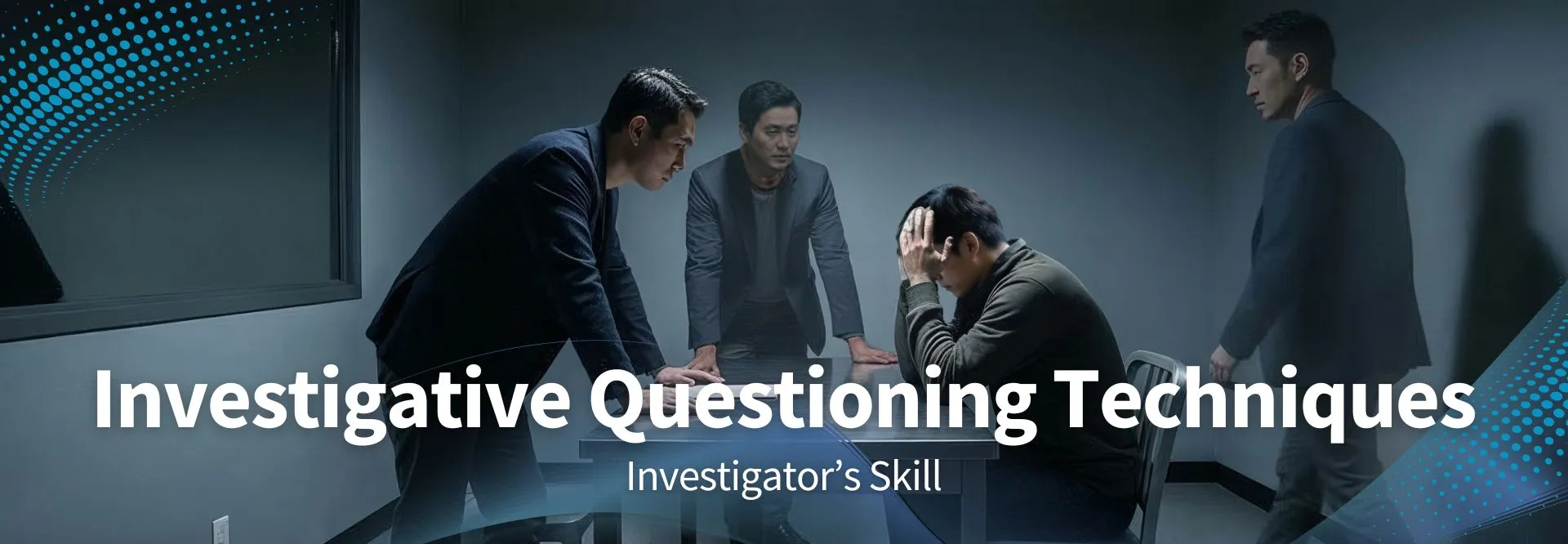
Investigative Questioning Techniques
Our programs are trusted by over 10,000 professionals from public and private sectors
SCHEDULE
| DATE: |
TIME: 9am – 5pm |
| LOCATION: Amara Singapore |
| Normal (from 5 Aug 2026) |
Early Bird (by 4 Aug 2026) |
Group of ≥3 (by 4 Aug 2026) |
| S$837.90 |
S$766.50 |
S$698.25 |
OVERVIEW
Investigative Questioning Techniques is a next-level programme designed for investigators, regulators and law enforcers who have foundational interview skills and seek greater precision, control and defensibility.
In fraud and regulatory investigations, the quality of questioning directly affects evidence integrity and investigative outcomes. Effective questioning requires more than good communication. It demands structured sequencing, disciplined selection of question types, and correct timing.
Participants learn to identify information gaps, align questions with investigative objectives, and construct logical lines of inquiry that withstand internal audit, appeal and legal scrutiny. The programme also addresses prohibited and improper questions that may contaminate evidence or undermine fairness.
This workshop strengthens professional investigative standards by reinforcing neutrality, procedural compliance and structured evidence-building practices.
What Makes This Investigative Questioning Techniques Workshop Unique?
Focuses specifically on questioning discipline in all investigation scenarios.
Emphasises both question type and timing as critical investigative variables for effectiveness
Trains investigators to build defensible audit trails through structured questioning
Addresses improper and prohibited question types that damage cases
Reinforces neutrality, mandate control and procedural fairness
Designed as an advanced progression beyond foundational interviewing skills
FAQ About INVESTIGATIVE QUESTIONING TECHNIQUES
Is this a basic interview skills course?
No. This is an advanced workshop focused specifically on investigative questioning structure, discipline and defensibility.
Do participants need prior interviewing experience?
Yes. Those with some experience will benefit most, but beginners will find it useful too.
Is the focus on criminal or administrative investigations?
The skills learned in this workshop can be applied across all investigations, including fraud, regulatory, and administrative investigations.
Does the course cover prohibited question types?
Yes. Participants will learn which types of questions to avoid, as they may undermine the integrity of evidence or introduce bias.
Join 10,000+ professionals who have benefitted from our workshops. Register Now!
BROCHURE REQUEST

Looking to learn more about our workshop? Fill in this form to request a brochure from us now!
REQUEST SUBMITTED
Your request has been submitted. We will get back to you in 3 working days.
WHO SHOULD ATTEND
This course is deaigned for:
- Investigation officers
- Fraud investigators
- Regulatory officers
- Law enforcement officers
- Internal investigators within public sector organisations
- Officers conducting administrative or disciplinary inquiries
BRIEF PROGRAM OUTLINE
1. Role of Questioning in Investigations
- Identifying information gaps
- Questioning as evidence-building
- Investigator responsibility and outcomes
2. Rules of Investigative Questioning
- Neutral language, tone, and pace
- Managing evasive responses
- Staying within mandate and scope
3. Effective Question Types
- Open, probing, clarifying & reinforcing questions
- Parameter-setting and reflective questions
- Strategic sequencing and timing
4. Improper & Prohibited Questions
- Leading, assumptive, and complex questions
- Multiple and negatively framed questions
- Ensuring defensibility and evidence integrity
WHAT YOU WILL LEARN
- Identify evidential gaps and weaknesses in any investigation
- Select and sequence the right question types at the right time
- Maintain control, neutrality, and procedural fairness
- Manage evasive, defensive, or high-risk interview situations
- Avoid improper or prohibited questioning practices
- Build logical, defensible lines of inquiry
- Strengthen the credibility and reliability of investigative outcomes
- Apply questioning discipline across diverse investigative contexts